

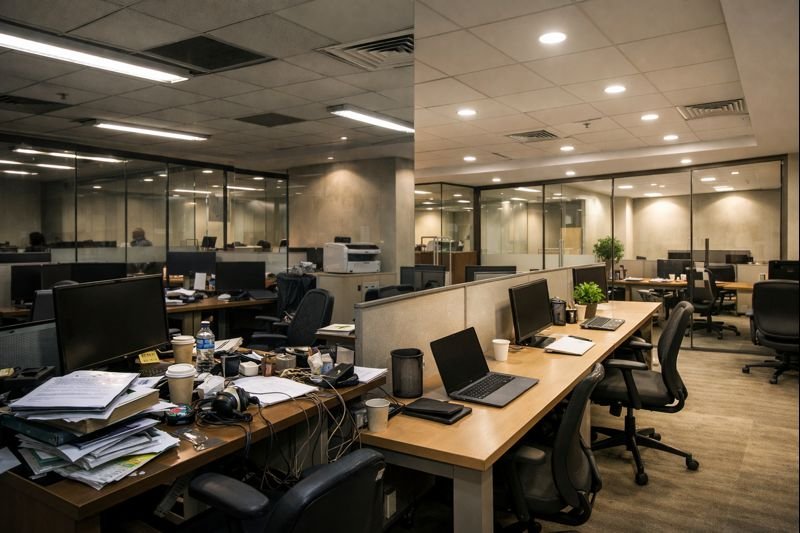
Office interior design plays a critical role in how people work, think, and perform every day. A poorly designed workspace does more than look unappealing. It silently affects focus, energy levels, collaboration, and overall efficiency. Many businesses invest heavily in office interiors but still experience low productivity because of common design mistakes.
This article explores the most common office interior design mistakes that reduce productivity, explains why they matter, and shows how to avoid them. Whether you are planning a new office or upgrading an existing one, understanding these issues can help you create a workspace that truly supports performance.
What Are the Biggest Office Interior Design Mistakes?
The most common office interior design mistakes that reduce productivity include poor layout planning, lack of natural light, uncomfortable furniture, excessive noise, bad lighting, cluttered workspaces, and ignoring employee well-being.
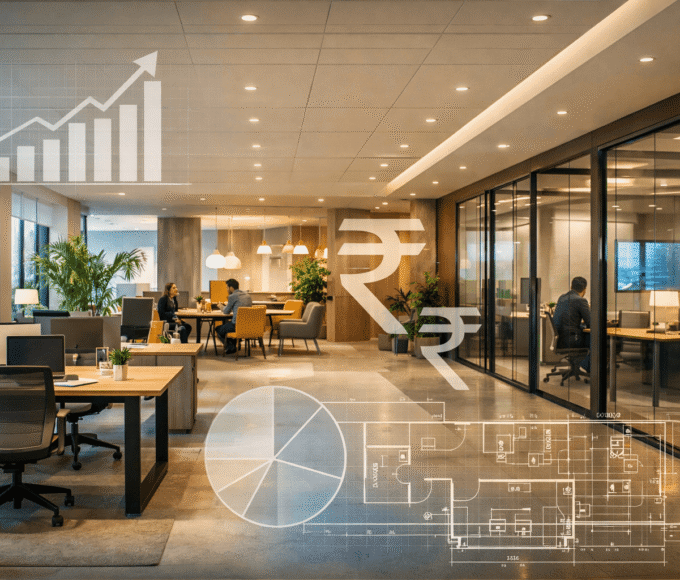
Poorly planned office interior design silently affects focus, efficiency, and employee well-being.
Why Office Interior Design Directly Impacts Productivity
Workspaces influence human behavior. Lighting, layout, acoustics, and comfort all shape how employees interact with their tasks and each other. When office interior design ignores these factors, employees feel distracted, tired, or disengaged.
Productive office design focuses on functionality first, aesthetics second. A visually attractive office that fails to support daily work routines often leads to inefficiency. Recognizing design mistakes early helps organizations save costs and improve workplace outcomes.
Top Office Interior Design Mistakes That Reduce Productivity:
- Poor space planning and inefficient layouts
- Lack of natural light in work areas
- Choosing style over functionality
- Poor acoustic and noise control
- Inadequate ergonomic furniture
- No breakout or relaxation spaces
- Improper lighting design
- Cluttered storage and poor organization
- Inflexible office design
- Ignoring employee well-being
1. Poor Space Planning and Inefficient Layouts
One of the biggest office interior design mistakes is poor space planning. When workstations, meeting rooms, and circulation areas are not planned properly, employees waste time moving around or dealing with congestion.
In many Indian offices, inefficient layout planning creates daily bottlenecks around workstations, meeting rooms, and circulation areas.
Crowded layouts reduce comfort, while oversized spaces create unnecessary walking distances. Ineffective office layout planning often leads to unnecessary distractions and wasted time during daily operations.
Effective office layout design ensures smooth movement, logical zoning, and balanced use of available space. Productivity improves when employees can work without constant interruptions.
2. Ignoring Natural Light in Office Design
Natural light has a strong influence on employee energy and focus. Offices that rely heavily on artificial lighting often feel dull and exhausting over long working hours.
Blocking windows with cabins, storage units, or opaque partitions reduces daylight access. This results in eye strain, headaches, and reduced alertness.
Modern office interior design prioritizes natural light by using glass partitions, open layouts, and reflective surfaces. Workspaces with daylight exposure consistently show higher productivity and better employee satisfaction.
3. Choosing Style Over Functionality
Many offices focus too much on visual appeal and trends. Stylish furniture, bold colors, or dramatic lighting may look impressive but often compromise comfort and usability.
Chairs without proper support, desks at incorrect heights, or decorative elements that interfere with movement create daily discomfort. Over time, this affects posture, concentration, and overall work performance.
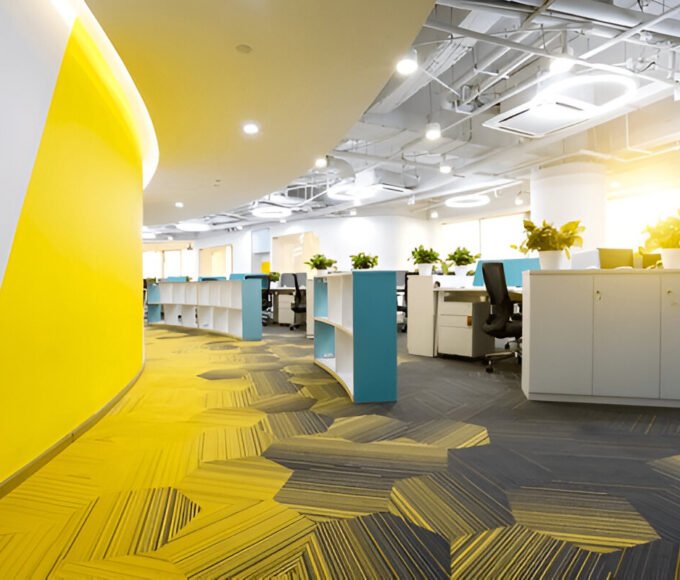
Functional office interior design balances aesthetics with ergonomics. Productivity increases when furniture and layouts support real work requirements rather than just visual impact. Practical modern office interior design ideas always balance aesthetics with everyday usability.
4. Poor Acoustic Planning and Noise Control
Noise is one of the most overlooked productivity killers in office environments. Open offices without sound management create constant distractions.
Phone calls, meetings, and casual conversations travel easily when acoustic design is ignored. This makes focused work difficult, especially for roles that require concentration.
Effective office interior design includes acoustic panels, soft furnishings, carpets, and sound-absorbing ceilings. Proper noise control helps employees stay focused without feeling isolated.
5. Inadequate Ergonomic Furniture Selection
Ergonomics directly affects physical health and work efficiency. Offices that use low-quality chairs, fixed desks, or poorly designed workstations often experience higher fatigue levels among employees.
Incorrect seating posture leads to back pain, neck strain, and reduced energy throughout the day—employees who feel uncomfortable struggle to maintain focus. Long working hours spent on poorly designed chairs and desks are a common issue observed in growing office environments.
Modern office interior design emphasizes ergonomic furniture that supports posture, movement, and flexibility. Adjustable chairs and desks significantly improve comfort and long-term productivity.
6. Lack of Breakout and Relaxation Spaces
Continuous work without mental breaks reduces creativity and efficiency. Offices that fail to provide breakout areas force employees to remain at their desks for long periods.
Without informal spaces for relaxation or casual interaction, stress levels increase. Employees feel mentally exhausted and disengaged.
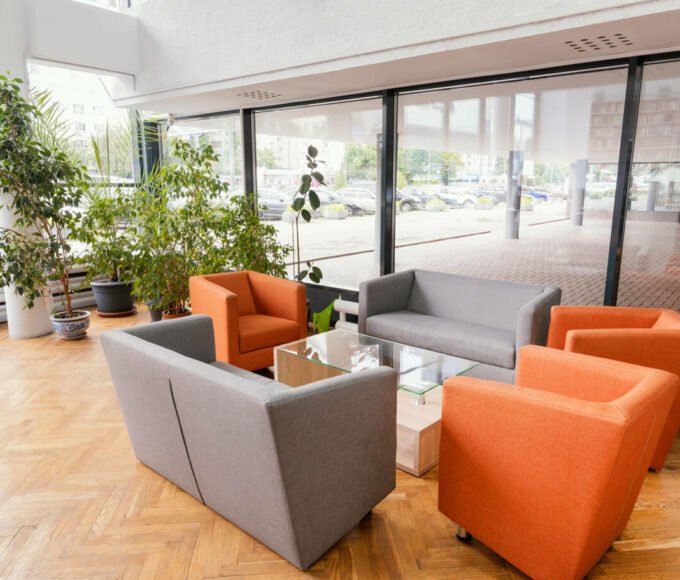
Productive office design includes breakout zones, lounge seating, and informal meeting spaces. These areas help employees recharge, collaborate informally, and return to work with better focus.
7. Poor Lighting Design and Overuse of Artificial Lights
Lighting design goes beyond brightness. Harsh lighting causes glare and eye strain, while dim lighting reduces alertness. Offices that rely heavily on artificial lighting often experience higher eye strain and reduced alertness during extended work hours.
Many offices rely on uniform overhead lighting that does not suit different tasks. Workstations, meeting rooms, and breakout areas require different lighting levels. Layered lighting combined with smart office ceiling design improves visual comfort and focus.
Modern office interior design uses layered lighting. Task lighting, ambient lighting, and accent lighting work together to support productivity and visual comfort throughout the day.
8. Ignoring Storage and Organization Needs
Cluttered offices reduce efficiency. When storage is inadequate, documents, supplies, and personal items end up scattered across desks and floors.
Disorganized spaces make it harder to focus and waste time searching for essentials. Visual clutter also increases mental stress.
Good office interior design includes smart storage solutions such as built-in cabinets, vertical storage, and concealed units. Organized environments support clearer thinking and smoother workflows.
9. Inflexible Design That Does Not Support Growth
Offices often change faster than their interiors. Teams expand, departments shift, and work styles evolve. Rigid office designs fail to adapt to these changes.
Fixed furniture, permanent partitions, and limited flexibility make future modifications costly and disruptive. This leads to inefficient space usage over time. Adaptable layouts reflect modern office design trends that support long-term scalability.
Flexible office interior design uses modular furniture and movable partitions. Adaptable layouts support growth, hybrid work models, and changing business needs without compromising productivity.
10. Neglecting Employee Well-Being in Design Decisions
One of the most damaging office interior design mistakes is ignoring employee well-being. Design choices that fail to consider comfort, mental health, and work-life balance lead to disengagement.
Lack of greenery, poor air quality, uncomfortable temperatures, and monotonous interiors affect motivation. Employees feel disconnected from their workspace. Elements like greenery and calming office wall design contribute to employee comfort and focus.
Modern office interior design integrates biophilic elements, proper ventilation, and wellness-focused features. When employees feel comfortable and valued, productivity naturally improves.
How to Avoid These Office Interior Design Mistakes
Avoiding productivity-reducing mistakes requires planning, research, and user-centric thinking. Office design should align with how employees actually work, not just how the office looks.
Key steps include:
- Conducting space and workflow analysis
- Prioritizing ergonomics and comfort
- Using flexible and scalable design solutions
- Investing in lighting, acoustics, and storage
- Designing with employee well-being in mind
A thoughtful approach ensures office interiors support long-term productivity rather than creating daily obstacles.
Why Office Interior Design Should Be Treated as a Business Decision
Office interior design is not a cosmetic upgrade. It is a strategic decision that directly influences employee performance, efficiency, and workplace culture. Businesses that invest in functional layouts, ergonomic solutions, and employee-focused design consistently experience better productivity and engagement.
Final Thoughts
Office interior design has a direct and lasting impact on productivity. Mistakes in layout, lighting, acoustics, and furniture silently reduce efficiency and employee satisfaction. Many of these issues are preventable with better planning and design awareness.
A productive workspace is not defined by trends or luxury alone. It is defined by how well it supports people, processes, and performance. By avoiding these common office interior design mistakes, businesses can create work environments that truly enable success.
At DezineSpace, we believe effective office interior design is not about following trends alone, but about creating workspaces that support people, processes, and productivity. Investing in smart, functional office interior design is an investment in productivity, employee well-being, and business growth.
[WPSM_AC id=17553]




Leave a comment